Understanding Computer Networks from a Front-End Developer's Perspective: Series Guide
As a front-end developer, you interact with the network every single day — fetch for API calls, WebSocket for real-time connections, npm install to pull dependencies. But have you ever stopped to wonder: what actually happens to your data after you hit Enter in the browser's address bar?
The goal of this series is to break down computer networking layer by layer, from the bottom up, through the eyes of a front-end developer. We're not aiming for exhaustiveness — we're focusing on the key concepts that help you truly understand how data flows.
This series follows the classic layered model of networking. Reading bottom-to-top is strongly recommended.
The moment you connect to Wi-Fi, your laptop joins a local area network. How do devices on the same network find each other? What format does data take on the wire? What role does a switch play in between?
Start here. This is the first piece of the puzzle.
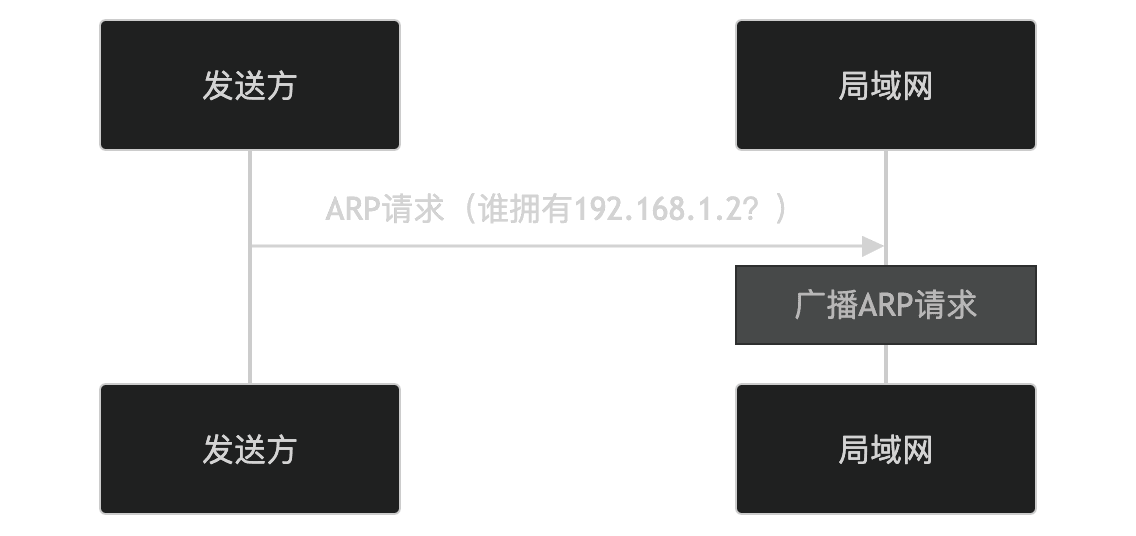
You know the IP — but how do you find the corresponding MAC? The inner workings of ARP.
MAC addresses handle communication within a LAN, but the internet spans the globe. How do data packets navigate through countless routers to reach a destination IP?
The addressing system of the internet.
The fundamentals of routing.
IP allocation and management mechanisms.
IP does its best to deliver packets, but the network can drop, reorder, or congest them. Who handles these problems?
Understanding the three-way handshake, sliding window, and congestion control from the ground up.
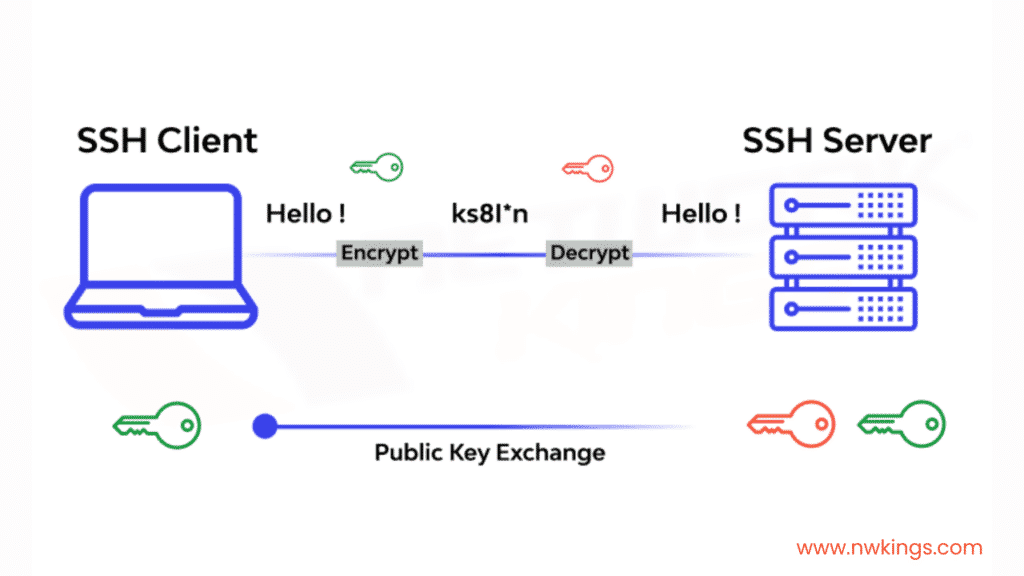
When you log into a website and type your password, is your data traveling naked across the public internet, or is it encrypted?
The full story behind that little green lock next to your URL.
With the lower layers under your belt, application protocols like HTTP, WebSocket, and RPC stop feeling like arcane magic.
From single-line text to persistent connections.
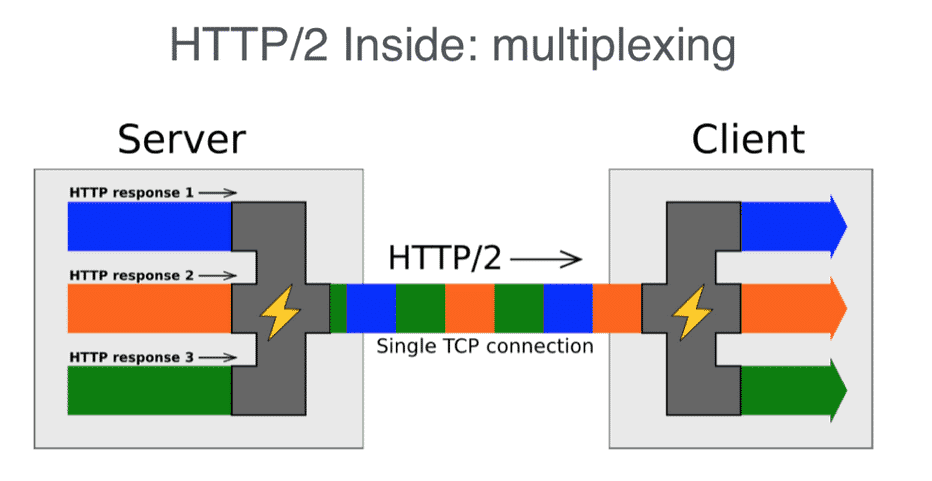
Multiplexing, header compression, server push.
From refreshing the page on a timer to full-duplex real-time communication.
How services talk to each other, from REST to gRPC.
A protocol you use every day but may not truly understand.
Front-end developers with hands-on experience but unsystematic networking knowledge. Curious minds who want to understand how data actually moves. People who prefer understanding over memorization.
Exam candidates — this series won't cover every test point. Low-level network engineers — we focus on comprehension, not implementation.
Each article stands on its own, but reading in roadmap order is recommended. If you're short on time, prioritize this core chain: MAC / LAN → IP → TCP → TLS → HTTP. These five articles form the most essential networking knowledge base for front-end daily work.
Cover image sourced from the internet — a salute to everyone who has ever dozed off in a computer networking class.